
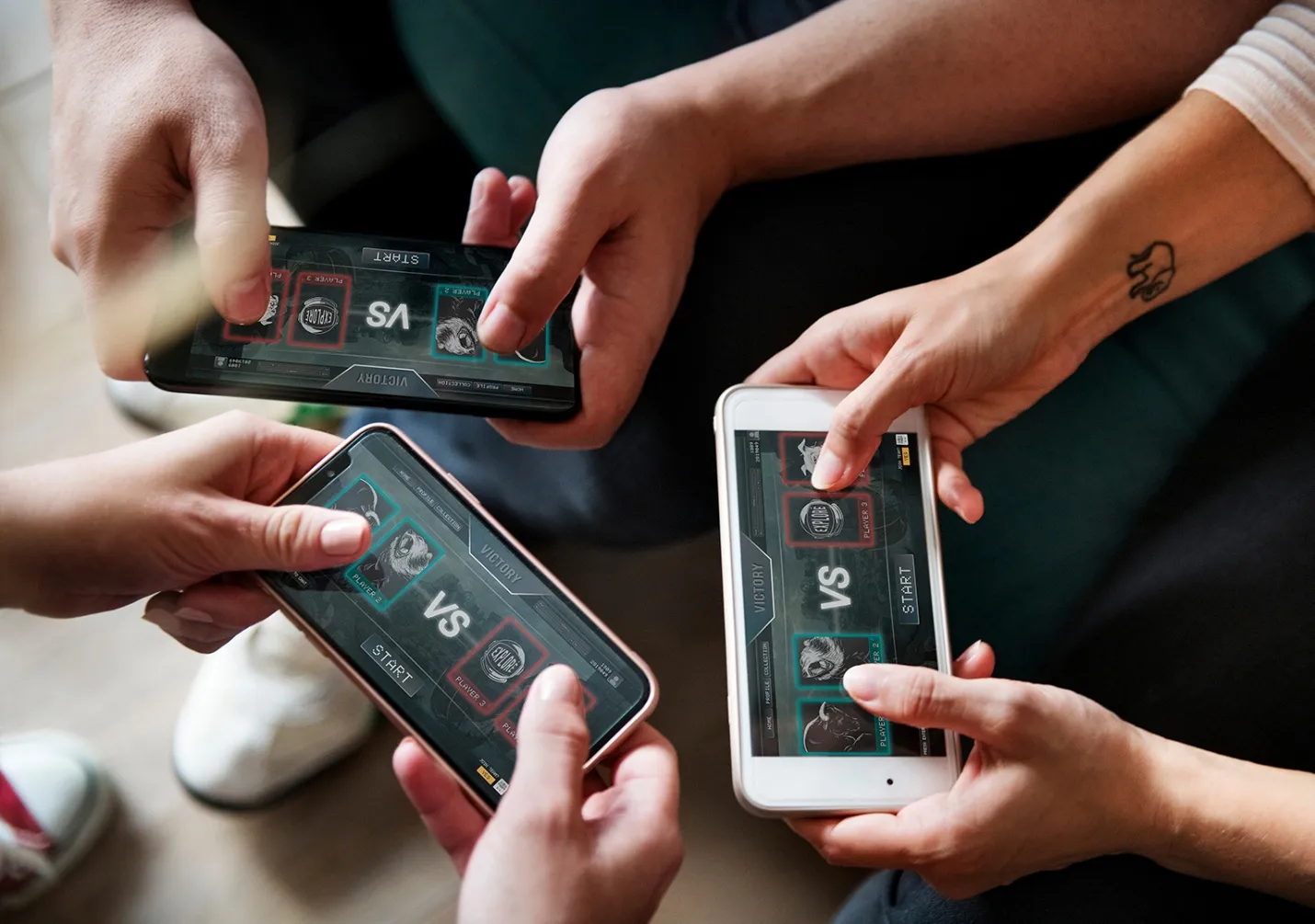
Sports and streaming platforms dominated the way people spent their spare time for many years, ranging from watching live matches to bingeing whole series in a single sitting. However, in Taiwan, a quieter shift is occurring. Mobile gaming platforms are gradually becoming more popular, not replacing regular entertainment immediately, but integrating a lot more seamlessly into modern lifestyles. Mobile gaming is catching up with sports and streaming when it comes to frequency as well as depth of engagement as users seek quicker, much more active experiences which fit into small window of time.
Constantly Within Reach
Accessibility is one of the major benefits of mobile gaming. Typically, watching sports or even streaming content takes dedicated time, whereas mobile games can be played anywhere, anytime. Users can jump in while commuting, waiting in line or even going for a quick break without having to plan ahead.
Higher frequency is a consequence of this flexibility. Users return a number of times in brief bursts, driven by the thrill of the game, rather than engaging twice or once daily. With time, these little sessions add up and mobile gaming gains more daily attention than longer, planned types of entertainment.
Active Engagement Over Passive Viewing
The way in which users interact with the experience is also a significant difference. The majority of passive activities include sports and streaming. You observe, react as well as go on. Mobile gaming calls for continual participation and decision-making.
The players take an active role, responding in real time and also remaining mentally engaged all through the session. The increased interaction produces a greater sense of involvement, which naturally keeps users returning much more frequently compared to passive viewing formats.
The Power of Instant Rewards
Instant feedback is the focus of mobile gaming platforms. Every action results in a result: a score, a level-up or even a modest reward. This results in a satisfying and fast loop that keeps users interested.
This instant gratification gives gaming a more dynamic feel when compared with conventional formats where results take longer to unfold. The feeling of meaningfulness in even brief sessions motivates users to come back frequently and remain engaged for longer periods in general.
Social Interaction along with Competitive Drive
Social and competitive aspects of mobile gaming are also driving its growth. Another motivator is the ability for players to compete with other players, track their performance or share experiences across multiple platforms.
The competitive element keeps users engaged. It isn’t about passing time; it is about growing, progressing or winning. The social aspect of competitive gaming in Taiwan is crucial in maintaining high engagement levels across all ages due to its strong competitive culture.
Switching Entertainment Habits
User expectations are changing as these habits develop. Flexible, interactive and accessible entertainment is increasingly preferred by people. While long form content still has a place, it’s no longer the default option for everyday engagement.
This shift is particularly noticeable in Taiwan. Platforms are adjusting to meet the demand for mobile-first behavior, which is now the norm. Cygder.com is a platform that reflects this change through structured environments which blend accessibility with interaction, resulting in an entertainment city experience where users are actively involved rather than just watching.
Where This Trend is Heading
While sports and streaming do not go away, they are increasingly competing for attention. Now the main focus is not only on content quality, but how effectively the format integrates into everyday life. While more people prioritize convenience as well as interaction, this quiet change is likely to keep shaping just how entertainment is consumed in the years ahead.
